Defining the difference we want to make
The starting point is to be clear about what we want to achieve and the difference our work should make to children, young people and the communities we serve.
We need to distinguish between what we do (activities and outputs) and the outcomes we want to achieve (the changes that result).
Our intended outcomes should reflect our central purpose: expanding access to quality education and developing the knowledge, skills and capabilities that enable every child to fulfil their potential, regardless of their circumstances.
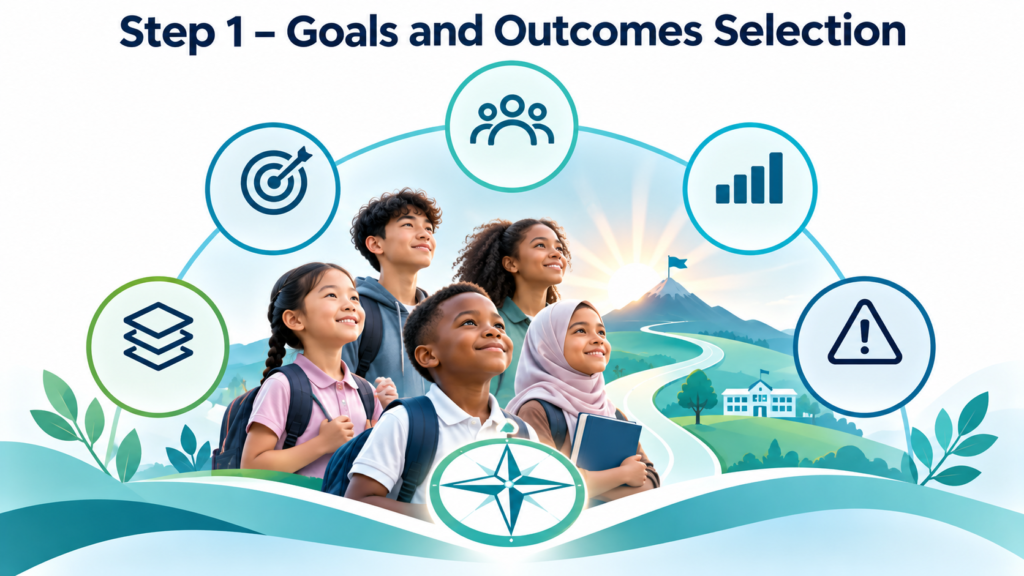
We use the Five Dimensions of Impact, developed through the Impact Management Project and now maintained by Impact Frontiers, to help us think systematically about the impact we intend to create.
The five dimensions guide our assessment:
1. WHAT – What outcomes are we seeking?
What changes do we want to achieve? These may include improved access to quality education, improved learning, increased knowledge and skills, and the development of individual capabilities.
2. WHO – Who experiences the outcomes?
Who are the intended beneficiaries? What are their circumstances, needs and existing barriers to accessing quality education? We should pay particular attention to children and communities who are underserved or disadvantaged.
3. HOW MUCH – How significant are the outcomes?
How many people experience the change? How substantial is the change, and how long does it last? This considers the scale, depth and duration of outcomes.
4. CONTRIBUTION – What difference does our work make?
To what extent do our programmes, projects and partnerships contribute to the outcomes achieved? Would the same results have occurred without our intervention? We need to understand the contribution made by DevelopTalent and the wider ecosystem.
5. RISK – What could affect the impact we intend to achieve?
What could prevent the expected outcomes from being achieved, reduce their significance or result in unintended consequences? This includes risks relating to access, quality, delivery capacity, partnerships and sustainability.
The output of Step 1
A clearly defined set of intended outcomes, identifying who should benefit, the nature and significance of the expected change, the contribution we intend to make and the risks that could affect achievement.